Vetting influencers is the process of evaluating a creator before a partnership to confirm they are authentic, brand-safe, and effective. Most teams stop at fraud detection and content review.
Advanced vetting adds the missing layer: using identity-resolved data to confirm a creator’s real audience matches your target buyers, not just that their followers are real and engaged.
If you run a sophisticated influencer program, you already passed the beginner stage of vetting influencers years ago. You scan for follower spikes, run engagement rate benchmarks, flag bot-heavy comment sections, and probably feed every influencer through a fraud-detection score before outreach. That work matters. It is also no longer the part of the process that separates strong programs from weak ones.
The hard truth is that authenticity screening answers only half the question. Confirming that a creator’s followers are real people does nothing to confirm they are the right people. A 500k-follower creator can have a perfectly clean audience that shares almost nothing with your actual buyers, and most vetting workflows will wave that partnership straight through.
The next stage of vetting influencers is audience alignment, validated against identity-resolved data rather than platform-reported metrics.
In this article
- The vetting layer most influencer programs ignore
- Content and brand fit: what seasoned marketers already master
- Vetting against your audience
- Continue to vetting existing partners
- The advanced standard
- Frequently asked questions
The vetting layer most influencer programs ignore
Vetting influencers involves three distinct layers and treating them as one is where budget leaks.
The first layer is integrity. Are the followers real, is the engagement organic, is the creator who they claim to be?
This is now table stakes, and regulators have caught up to it. The Federal Trade Commission’s final rule on fake reviews and testimonials explicitly prohibits the sale and purchase of fake indicators of social media influence, including bot-generated followers and views, with civil penalties attached. Integrity is no longer just a performance concern. It is a compliance one.
The second layer is brand alignment. Does the influencer’s content and aesthetic align with the content and tone the brand is looking to emanate?
The third layer is audience alignment. Do the people following and engaging with an influencer actually resemble my target buyers?
Veteran marketers tend to be excellent at the first and second layers, but blind on the third.
Content, brand & audience fit: what seasoned marketers already master
Experienced influencer marketers run extensive due diligence long before any audience tool enters the picture. They comb a creator’s back catalog for tone, production quality, and consistency. They judge whether the aesthetic, the palette, the editing rhythm, and the way a creator speaks to the camera match the image the brand wants to project. They read comment sections for sentiment and community health, audit past brand partnerships for category conflicts, and pressure-test values alignment so a deal does not become a brand safety incident. This is real expertise, and it resists automation because it is editorial judgment built on years of pattern recognition.
It is also necessary and insufficient at the same time. Content, aesthetic and engagement vetting tells you everything about the creator and nothing about who is on the other side of the screen. A feed can be flawlessly on-brand, beautifully shot, and tonally perfect while the audience behind it skews entirely away from the people you want to sell to. You can vet the storefront down to the signage and still misread the foot traffic. That is the one dimension feed-scrolling cannot resolve, and it is exactly where audience intelligence stops being optional.
Vetting against your audience, not the creator’s engagement
The shift that defines advanced vetting is moving from creator-level signals to audience-level evidence.
Instead of asking “Is this creator legitimate and popular?” ask, “Does this creator’s audience look like my target buyers?” That requires resolving social followers to real, verified individuals and profiling them against a deep attribute set, not inferring demographics from post captions.
This is exactly the gap StatSocial’s influencer marketing solution is built to close. Rather than ranking creators by reach and engagement, it analyzes any creator’s followers against 300K+ behavioral attributes, mapped through a patented Identity Graph that connects social accounts to verified U.S. adults. You are no longer vetting a follower count. You are vetting a real, profiled audience and checking it against your campaign goals before you commit a dollar.
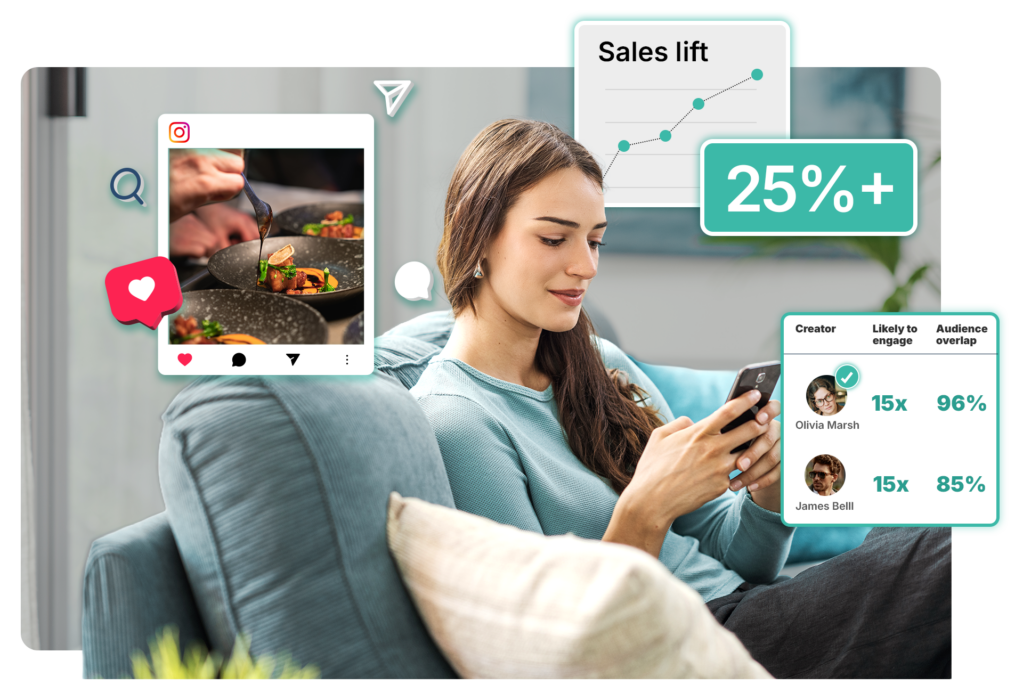
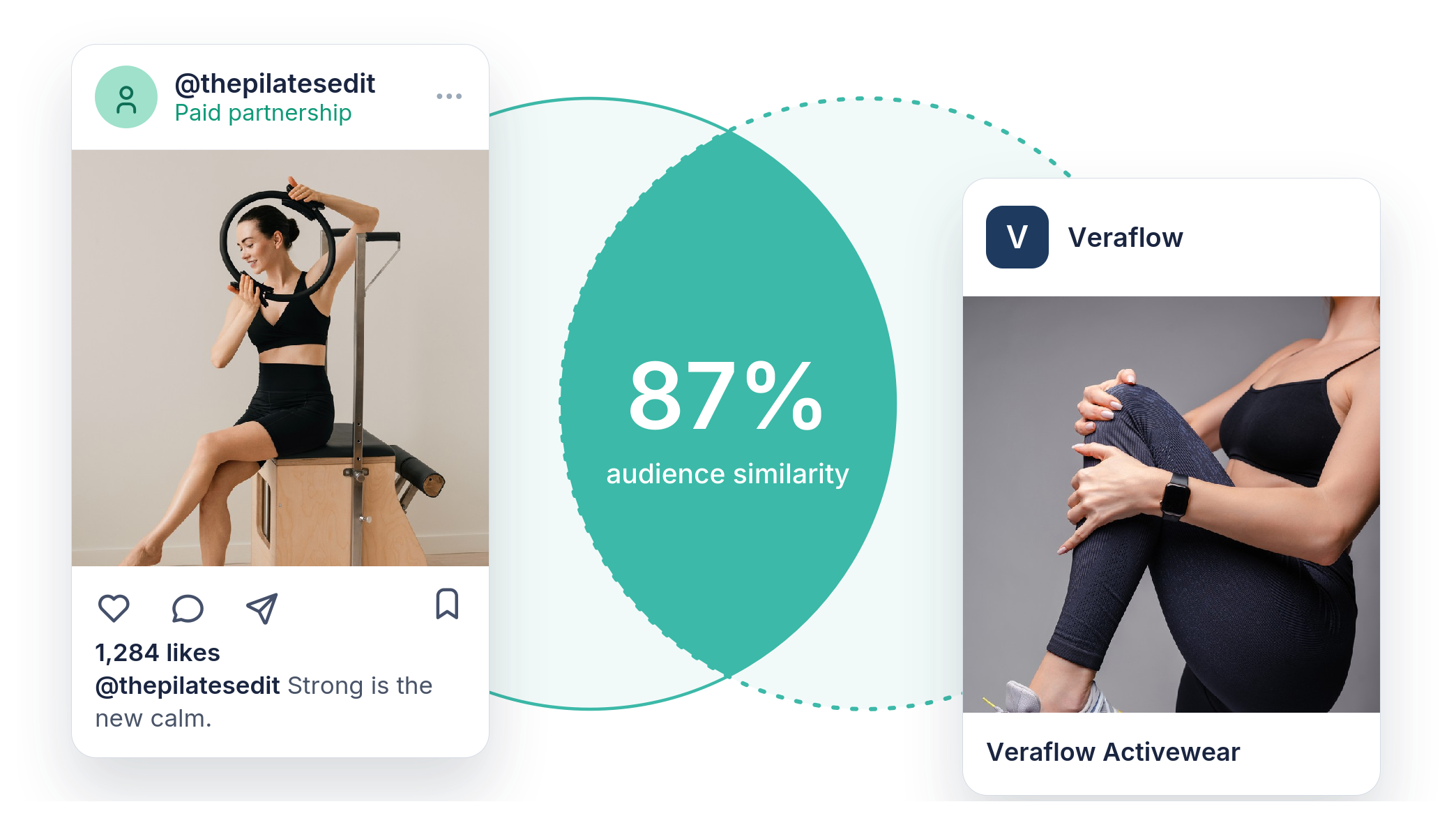
The practical mechanism here is the Similarity Score. Build an audience that reflects your actual target, whether that comes from your CRM, a survey panel, or a paid media segment, then measure how closely a prospective creator’s audience aligns with it. A high score means genuine overlap with the people you care about. A low score means a clean but irrelevant audience, the kind of partnership that survives every fraud check and still underdelivers. StatSocial’s influencer analysis and validation tool lets you run that comparison creator by creator, so selection rests on audience evidence instead of category assumptions.
Continue to vetting existing partners
Sophisticated programs treat vetting influencers as a recurring discipline, not a one-time gate at signing. Audiences drift, creators pivot content, and a partner who aligned last quarter may not align next quarter. The same audience intelligence that informs discovery should validate existing partners on an ongoing basis, confirming that the people following them still match your buyers. StatSocial’s audience-first discovery approach surfaces creators your target audience already follows and engages with, which means alignment is built into selection from the start rather than retrofitted after a campaign underperforms.
The advanced standard
The bar for vetting influencers has moved. Integrity screening keeps you compliant and protects you from obvious waste. Content and brand-fit review, the work seasoned marketers already do well, protects your brand image and your message. Neither, however, tells you who is actually in the audience. That last layer cannot be eyeballed from a feed. It has to be measured against identity-resolved data and scored for real overlap. Teams that pair their existing due diligence with that audience evidence stop paying for reach that does not resemble their market, and start selecting partners on the only signal that predicts performance: whether the right people are watching.
Frequently asked questions
What does it mean to vet influencers?
Vetting influencers is the process of evaluating a creator before signing a partnership to confirm they are authentic, aligned with the brand, and likely to reach the right people. It generally spans three layers: integrity (are the followers and engagement real), content and brand fit (does the creator’s style match the brand image), and audience alignment (do the creator’s actual followers resemble your target buyers).
How do you vet an influencer beyond follower count and engagement rate?
Move from creator-level metrics to audience-level evidence. Resolve a creator’s followers to real individuals and profile them against your target audience using attributes like interests, brand affinities, and purchase behavior. Strong audience overlap signals a genuine fit, while a clean but mismatched audience signals wasted spend even when engagement looks healthy.
What is the difference between checking for fake followers and audience alignment?
Fake-follower checks confirm that an audience is real. Audience alignment confirms that the real audience is the right one. A creator can pass every fraud check and still reach people who will never buy from your brand, which is why authenticity screening alone is not enough.
Is reviewing a creator’s content and aesthetic enough to vet a partner?
No. Content and aesthetic review tells you about the creator, not about who is watching. A feed can be perfectly on-brand while the audience behind it skews away from your buyers. Audience data is the only way to confirm the people following a creator match your market.
How does StatSocial help with vetting influencers?
StatSocial analyzes any creator’s followers against 300K+ behavioral attributes mapped to verified individuals through its PeopleGraph (Identity Graph). Its Similarity Score measures how closely a creator’s audience aligns with your target audience, so you can validate partners on real audience overlap before committing budget.
See it on your own shortlist
The fastest way to understand audience-level vetting is to run it against the partners you are already weighing. Request a StatSocial demo and see how your shortlist scores on real audience overlap before you sign a single contract.